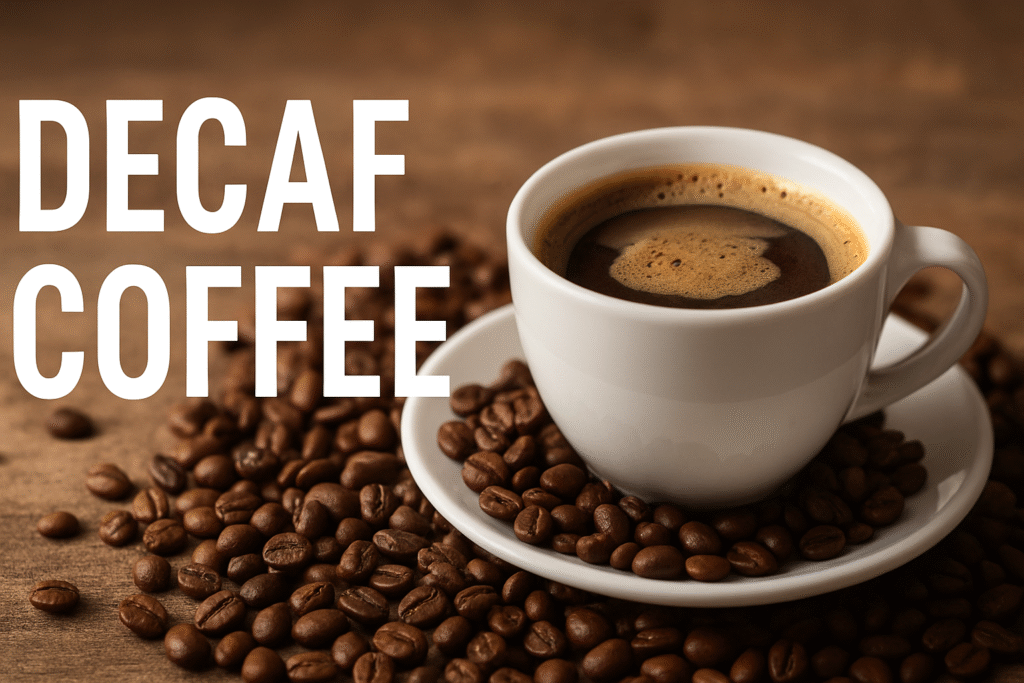
Decaf coffee is more than just coffee without caffeine — it’s a way for coffee lovers to enjoy their favorite drink any time of day without the jitters or sleepless nights. For those seeking the rich flavor and comfort of coffee without the buzz, understanding how decaf coffee is made and its unique health benefits can help you make a smarter, more flavorful choice.
What Is Decaf Coffee, Really?
Many wonder whether decaf coffee is completely caffeine-free. The answer: not quite. A typical cup of decaf contains about 2–5 mg of caffeine, compared to 70–140 mg in regular coffee. That means decaf isn’t caffeine-free — it’s caffeine-light. The majority of caffeine is removed from the beans before roasting, allowing you to enjoy the aroma and taste of coffee without the side effects.
This makes decaf ideal for people who want the ritual of morning coffee or an evening cup without disrupting their sleep or raising anxiety levels.
How Is Decaf Coffee Made?
The process of decaffeination is fascinating and more advanced than ever. There are several methods used to remove caffeine while keeping the flavor intact:
The Swiss Water Process
One of the most popular and chemical-free methods, the Swiss Water Process uses pure water and activated carbon filters to gently extract caffeine. This approach preserves the coffee’s natural flavor and is often preferred by organic and specialty coffee roasters.
The CO₂ Method
In this process, carbon dioxide (CO₂) is applied under high pressure to coffee beans, bonding with the caffeine molecules and pulling them out. It’s efficient, natural, and excellent for maintaining flavor depth — especially for high-quality Arabica beans.
Solvent-Based Methods
Some producers use food-safe solvents like ethyl acetate or methylene chloride to remove caffeine. While “chemical” may sound alarming, these solvents are approved by food safety authorities and completely evaporate before roasting. Still, most premium decaf brands highlight chemical-free processes for transparency and trust.
Does Decaf Coffee Taste Different?
It’s a common misconception that decaf coffee tastes bland or flat. Thanks to modern decaffeination techniques and specialty-grade beans, that’s no longer true. Many coffee enthusiasts can hardly tell the difference between regular and decaf — especially when brewed fresh.
If you buy freshly roasted decaf beans from reputable roasters, you’ll find a wide range of flavor profiles: fruity Ethiopian decafs, nutty Brazilian blends, and even bold espresso decafs that hold up beautifully in lattes and cappuccinos.
Health Benefits of Decaf Coffee
You might be surprised to learn that decaf coffee still contains many of the same health-promoting compounds as regular coffee. These include antioxidants, polyphenols, and magnesium, all of which support long-term wellness.
Key Benefits Include:
- Gentler on the stomach: Great for those prone to acid reflux or digestive sensitivity.
- Better sleep quality: Enjoy your favorite brew at night without worrying about insomnia.
- Reduced anxiety: No caffeine spikes means less restlessness and heart palpitations.
- Supports heart and brain health: The antioxidants in decaf help reduce inflammation and improve circulation.
- Safe for pregnancy: A smart option for those advised to limit caffeine intake.
Essentially, decaf coffee delivers the comfort, warmth, and flavor you love — with a gentler impact on your body.
Who Should Choose Decaf Coffee?
Decaf isn’t just for older adults or health-conscious drinkers. It’s perfect for anyone who loves coffee but wants to manage caffeine intake. Common decaf drinkers include:
- Late-night coffee fans who don’t want to stay up all night.
- People with caffeine sensitivity or anxiety.
- Pregnant individuals who want a safe alternative.
- Coffee lovers who simply want an extra cup without overdoing caffeine.
Even if you’re a die-hard espresso fan, switching to decaf coffee for your afternoon or evening brew can be a smart balance between pleasure and wellness.
Are There Drawbacks to Decaf Coffee?
Very few. The biggest difference lies in flavor intensity — decaf may taste slightly softer or less acidic than regular coffee. However, high-quality decaf beans have closed this gap significantly.
It’s worth noting that decaf still contains trace amounts of caffeine, so extremely sensitive individuals should be mindful. Also, avoid cheap instant decaf brands, which often lack the depth and complexity of freshly roasted beans.
How to Choose the Best Decaf Coffee
Not all decaf is created equal. When shopping for decaf coffee, keep these tips in mind:
- Check the decaffeination method: Look for labels that mention Swiss Water Process or CO₂ process for chemical-free options.
- Buy freshly roasted beans: Freshness greatly affects flavor quality.
- Explore different origins: Just like regular coffee, origin matters. Ethiopian, Colombian, and Brazilian decafs all offer distinct flavor profiles.
- Support specialty roasters: They typically source higher-quality beans and offer transparency about their processes.
By choosing your decaf thoughtfully, you’ll experience a rich, flavorful cup that rivals any caffeinated brew.
Final Thoughts: The Rise of Modern Decaf Coffee
Decaf coffee has evolved from a dull substitute to a vibrant part of coffee culture. With improved processing methods, better beans, and increased demand, today’s decaf offers the full-bodied flavor, aroma, and satisfaction coffee lovers crave — minus the caffeine.
Whether you’re exploring healthier habits, managing stress, or simply craving a cozy evening cup, decaf coffee is a delicious and smart choice. So go ahead, brew a cup, and enjoy coffee’s rich essence — without the buzz.