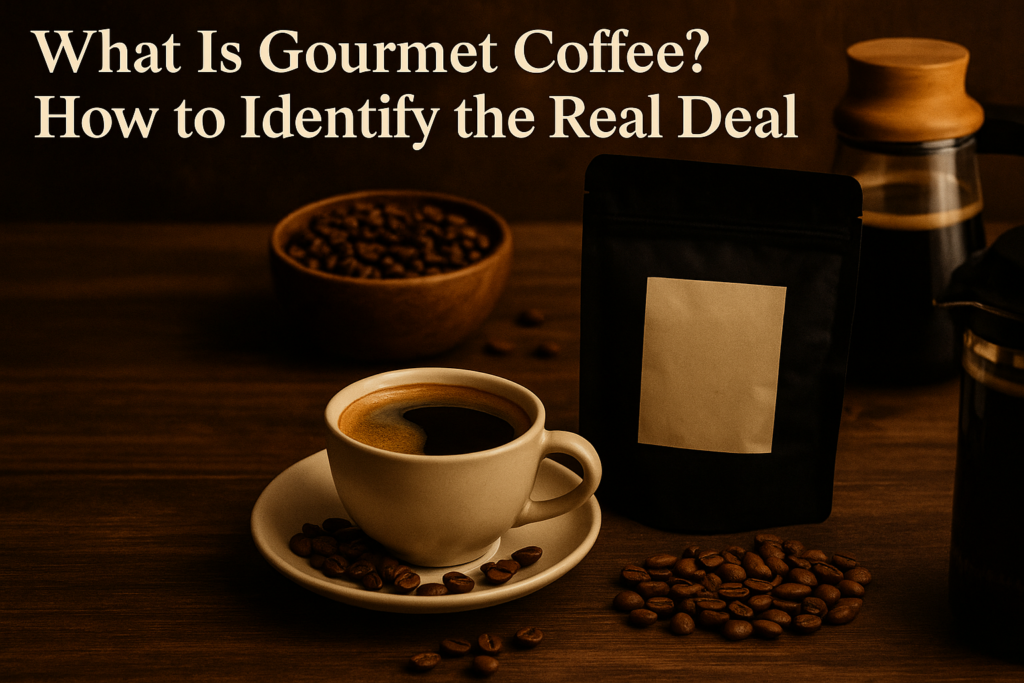
Brewing and enjoying gourmet coffee has become more than a daily routine; it is now an experience shaped by craftsmanship, flavor complexity, and intentional choices. Right from the start, understanding what defines truly exceptional coffee transforms every sip into a moment of bold flavor and a deeper appreciation for the craft.
What Defines Authentic Gourmet Coffee
Exploring what elevates a coffee to gourmet status helps clarify why it stands apart from everyday blends. Although the term is often used loosely, genuine gourmet coffee follows strict standards related to cultivation, processing, roasting, and freshness. Moreover, the entire journey — from the soil where the cherries mature to the brewing method — contributes to the exceptional profile found in every cup.
Ideal Growing Conditions
Recognizing that gourmet beans originate from optimal environments is essential. These coffees are grown in regions with balanced rainfall, nutrient-rich soil, and the right altitude to enhance natural sweetness and complexity. Additionally, the cultivation process tends to follow sustainable and detail-oriented farming practices, ensuring consistency in both flavor and quality while supporting ethical sourcing.
Careful Harvesting and Processing
Understanding the importance of meticulous harvesting further reveals why gourmet beans offer superior flavor. Because these coffees are usually handpicked, only ripe cherries are selected, preventing the bitterness and irregularities common in mass-produced beans. As a result, processing steps such as washed, honey, or natural methods are executed with precision to preserve clarity, aroma, and balance — elements essential to gourmet coffee.
The Importance of Origin: Single-Origin vs. Blends
Exploring the role of origin helps consumers appreciate what makes a coffee truly distinctive. Although blends can be delicious, they often prioritize uniformity over uniqueness. In contrast, single-origin coffees showcase regional characteristics shaped by climate, soil, and traditional practices. Because of this, they offer traceability, transparency, and authenticity — qualities that define the experience of true quality and guide the standards of the specialty world.
Flavor Profile and Terroir
Comparing different origins highlights the profound influence of terroir. Coffees from Ethiopia may offer floral and citrus notes, while beans from Brazil emphasize chocolate, nuts, and low acidity. Consequently, single-origin gourmet varieties invite drinkers to explore unique sensory journeys by emphasizing the natural characteristics of the region rather than masking them with blends.
The Role of Bean Quality
Evaluating bean type is another key element in identifying authentic gourmet selections. In most cases, the finest coffees are made from high-grade Arabica beans due to their sweetness, aroma, and intricate flavors. Meanwhile, Robusta beans — though higher in caffeine — are less common in gourmet offerings because of their tendency toward bitterness.
Characteristics of High-Quality Beans
Noticing specific indicators helps distinguish gourmet beans from ordinary ones. High-quality beans are often larger, denser, and more uniform in shape. Since gourmet coffees go through rigorous sorting, they also contain fewer defects. Therefore, labels such as “Specialty Grade” or “Grade 1” are strong signs that the coffee meets elevated quality standards.
Precision Roasting: Unlocking True Flavor
Appreciating the influence of roasting explains why gourmet coffee tastes so refined. While commercial coffees are often roasted too dark to hide imperfections, gourmet roasting focuses on enhancing natural notes. Furthermore, small-batch roasting allows experts to control temperature curves, development time, and flavor balance so that acidity, sweetness, and body come together harmoniously.
Roast Levels and Their Impact
Choosing the right roast level depends on the bean’s origin and intended flavor. Lighter roasts highlight fruity and floral notes, medium roasts bring balance and caramel sweetness, and darker roasts emphasize richness without burning the beans. Consequently, the roasting philosophy supports the authentic identity of gourmet coffee, rather than overpowering it.
Brewing Methods That Elevate Gourmet Coffee
Realizing that preparation can make or break a gourmet experience is crucial. Even the finest beans require appropriate brewing techniques to reveal their full potential. Because of this, popular methods such as pour-over, French press, espresso machines, and cold brew are preferred among enthusiasts for extracting clarity, body, and nuanced flavor.
Customization and Precision
Experimenting with variables like grind size, water temperature, and brew time helps unlock deeper complexity. As a result, brewing becomes a mindful ritual, a moment of pure craft, and a key part of enjoying gourmet coffee as it was intended.
Aroma, Freshness, and Packaging
Recognizing sensory cues is one of the easiest ways to identify if a coffee is genuinely gourmet. The aroma should be vibrant, clean, and layered — never dull or lifeless. Additionally, gourmet coffees almost always come with essential packaging features such as a one-way valve, airtight sealing, and a clearly printed roast date.
Because freshness dramatically affects flavor, choosing whole beans and grinding them just before brewing ensures that the coffee maintains its integrity and aromatic oils.
Ethical and Environmental Standards
Supporting ethical and sustainable production is another pillar of authentic gourmet coffee. Certifications such as Fair Trade, Organic, Rainforest Alliance, or Direct Trade demonstrate commitment to fair wages, eco-friendly farming, and socially responsible sourcing. As a result, enjoying gourmet coffee means experiencing quality while supporting global sustainability — a fundamental part of the specialty movement.
Is Gourmet Coffee Worth the Price?
Understanding the cost helps clarify why gourmet options are priced higher. Beyond superior flavor, the cost reflects higher labor standards, environmental stewardship, meticulous processing, and small-scale production. Therefore, choosing gourmet coffee means investing in craftsmanship, better working conditions for farmers, and a more meaningful coffee experience overall.
Final Thoughts: A Cup Above the Rest
Ultimately, gourmet coffee represents excellence at every stage — from cultivation to roasting to brewing. Because of this, it offers a richer, more satisfying experience for anyone seeking quality and authenticity. So the next time you prepare your morning cup, consider elevating your routine with a genuine gourmet selection. You may discover that the difference isn’t just in the taste — it’s in the entire journey behind each exceptional sip.