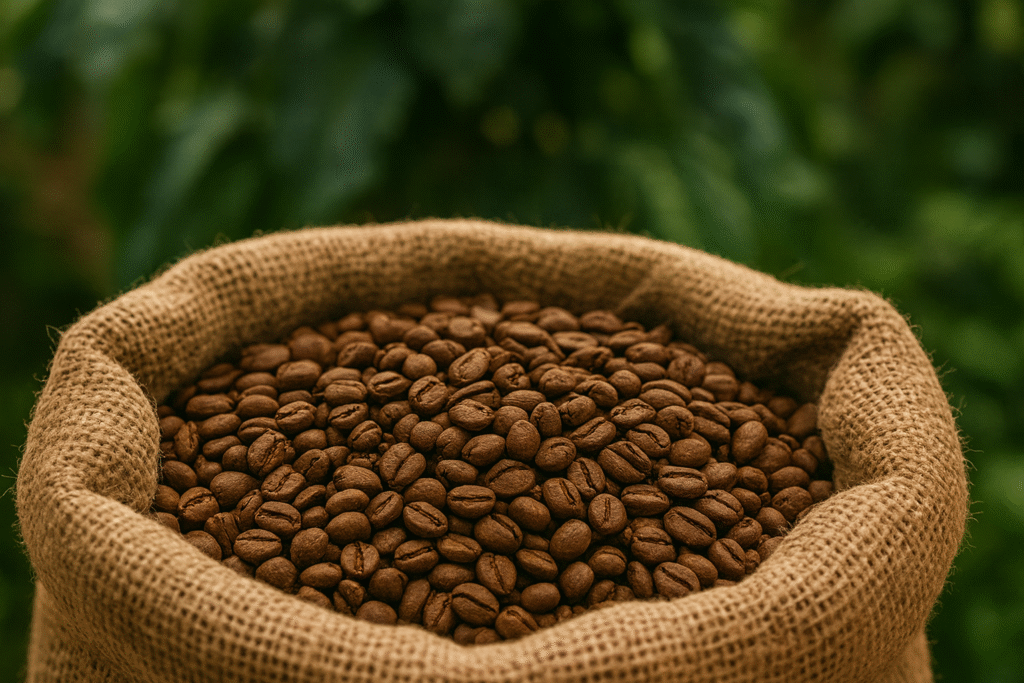
Organic coffee has become a popular choice among consumers who value health, sustainability, and ethical production. As interest in environmentally friendly products continues to grow, more people question whether choosing organic coffee truly makes a difference. Because this shift in consumption is global, understanding the benefits behind organic coffee helps reveal whether the choice justifies the higher cost. Therefore, this article explores what defines organic production, how it compares to traditional methods, and whether it aligns with your values. As a short focus phrase, Brazilian coffee appears here to reinforce relevance and clarity.
What Makes Coffee Truly Organic?
For coffee to be labeled organic, it must follow strict agricultural standards that prohibit synthetic chemicals. Although many assume organic simply means “chemical-free,” it actually involves detailed ecological practices. Additionally, certified organic coffee must adhere to guidelines enforced by institutions such as USDA Organic, EU Organic, or IBD in Brazil. These certifications ensure that farms maintain clean soil for at least three years, avoid GMOs, and undergo regular inspections. As regulations increase transparency, consumers gain confidence that their purchase supports natural and responsible farming methods, including Brazilian coffee producers who follow these standards.
Health Benefits: Is Organic Coffee Better for You?
Even though both organic and conventional coffees offer antioxidants and caffeine, organic varieties may provide certain advantages. For example, organic farms avoid synthetic pesticides, reducing the risk of chemical residues in each cup. Moreover, some studies suggest that beans grown in healthy, nutrient-rich soil may contain slightly higher antioxidant levels. While the difference is not dramatic, organic beans often undergo fewer processing steps, resulting in a cleaner, more natural product. Because well-being matters to many consumers, the health appeal of organic coffee continues to grow, further connecting it to broader wellness habits tied to Brazilian coffee culture.
Environmental Impact: A Strong Case for Organic Coffee
Environmental sustainability remains one of the strongest reasons people choose organic coffee. Although conventional farming can stress soil and waterways, organic practices work to restore ecological balance. Natural compost, shade-grown techniques, and crop rotation help improve soil fertility and preserve biodiversity. Furthermore, organic farms tend to support wildlife by avoiding harmful chemicals, allowing local ecosystems to thrive. Consequently, choosing organic supports farming systems that nurture the planet. This environmentally conscious approach also aligns with the values of Brazilian coffee producers who promote regenerative agriculture.
Ethical Considerations: Is Organic the More Responsible Choice?
While organic certification primarily focuses on environmental criteria, it often overlaps with ethical practices as well. Many organic coffee farms are small-scale operations where workers receive better support due to healthier crops and long-term sustainability strategies. Additionally, organic coffee may carry multiple certifications such as Fair Trade or Rainforest Alliance, linking environmental standards to social responsibility. Therefore, buying organic often means contributing to healthier farming communities. This connection is also evident in parts of Brazil, where Brazilian coffee farmers participate in sustainable and community-based agriculture.
Why Organic Coffee Costs More
Consumers often notice that organic coffee comes with a higher price tag, usually 20% to 40% more than conventional beans. Although price can be a deciding factor, the increase reflects real production challenges. Organic farms rely on natural fertilizers, manual labor, and detailed inspection processes, all of which increase operational costs. Furthermore, because organic farms typically yield fewer beans per hectare, production becomes more expensive. Nevertheless, many buyers view the premium price as a worthwhile investment in quality and sustainability, especially when considering the impact of supporting Brazilian coffee farmers who maintain these standards.
Does Organic Coffee Taste Better?
Flavor is subjective, yet many coffee lovers believe that organic beans offer a cleaner and more vibrant taste. However, taste largely depends on factors such as roast level, altitude, processing method, and bean variety. In other words, a poorly roasted organic coffee will not outperform a well-crafted conventional one. Although organic farming influences quality, the final flavor remains shaped by skilled roasting and fresh preparation. Ultimately, choosing organic coffee enhances the experience when combined with high-quality production—a trait often celebrated within Brazilian coffee regions known for exceptional flavor profiles.
Tips for Choosing a High-Quality Organic Coffee
Selecting a great organic coffee involves more than picking a certified label from the shelf. Additionally, paying attention to the roast date ensures freshness, while choosing whole beans enhances aroma and flavor. Exploring single-origin options allows for greater traceability, giving insight into farming practices and environmental efforts. Moreover, reading about the farm or cooperative can help you understand the values behind your purchase. Many roasters today share transparent information about sustainability, offering consumers meaningful ways to support organic agriculture across global and Brazilian coffee regions.
Final Thoughts: Is Organic Coffee Worth the Investment?
Ultimately, organic coffee represents more than a beverage—it symbolizes a commitment to healthier farming, reduced chemical exposure, and environmental preservation. Although the taste difference may be subtle, the ecological and ethical benefits can be significant. Consequently, choosing organic becomes a meaningful way to support sustainable agriculture. For some consumers, combining both organic and conventional varieties may offer balance, while others may embrace organic exclusively for its environmental impact. In every case, the right coffee aligns with your values, tastes great, and fits your lifestyle. And if it happens to be organic—or even Brazilian coffee—all the better.