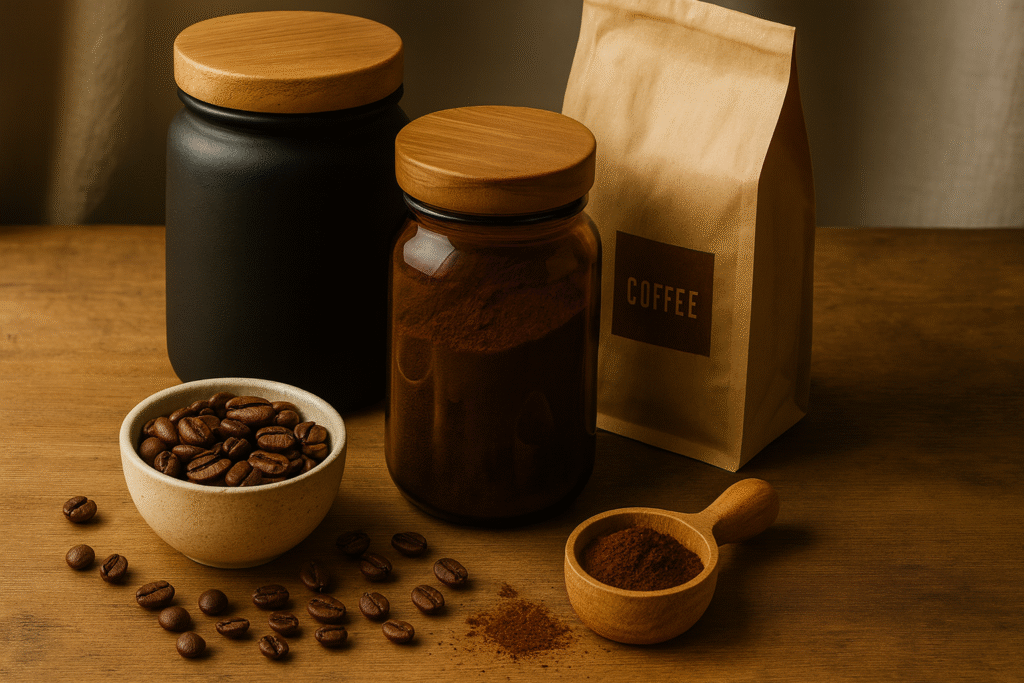
Keeping coffee at peak quality requires careful attention to storage, since the smallest mistake can impact aroma and taste. Because freshness plays a crucial role in the final cup, understanding proper storage helps protect flavor, preserve aroma, and ensure consistency. While many habits seem harmless, only a few techniques truly maintain quality, making it essential to follow best practices for fresh coffee from the start.
Why Coffee Freshness Matters
Since coffee contains hundreds of volatile compounds, its aroma and flavor begin to change immediately after roasting. As beans release carbon dioxide through degassing, they naturally evolve, yet they also become more vulnerable to air, moisture, heat, and light. Because these factors accelerate deterioration, protecting fresh coffee becomes vital to preserving complexity and character. Ultimately, stale coffee loses depth, resulting in a flat and unbalanced taste that no brewing method can fix.
The Four Enemies of Coffee Storage
Although coffee appears stable, several environmental elements can quickly degrade it. Protecting against these enemies ensures longer-lasting freshness and prevents premature flavor loss, reinforcing the importance of fresh coffee in daily brewing.
1. Oxygen
Because oxidation breaks down natural oils and aromatics, exposure to air is one of the fastest ways to diminish the quality of coffee.
2. Moisture
Since coffee is hygroscopic, it easily absorbs moisture from the environment, causing muted flavor and uneven extraction.
3. Heat
High temperatures accelerate chemical breakdown, making warm environments harmful to long-term storage.
4. Light
Ultraviolet rays damage delicate compounds, reducing brightness and aroma in the cup.
Given these risks, controlling surroundings is essential for maintaining fresh coffee at home.
Best Practices for Proper Coffee Storage
To maintain freshness and flavor integrity, several steps help protect your coffee from environmental damage. With the right methods, every cup will remain satisfying, aromatic, and balanced, supporting the goal of fresh coffee with each brew.
Store Coffee in an Airtight Container
Choosing an airtight container is the most effective way to prevent oxygen and moisture from reaching the beans. While glass may be visually appealing, opaque materials like ceramic or stainless steel work better. Because clear containers expose beans to light, they should only be used if kept in a fully dark environment. This simple shift dramatically improves the lifespan of fresh coffee.
Keep Beans in a Cool, Dark Place
Storing coffee near ovens, stoves, or warm areas exposes it to fluctuating temperatures. Instead, a pantry or cupboard with consistent, cool conditions is ideal. Since heat accelerates deterioration, regulating temperature helps preserve fresh coffee over time.
Buy Whole Beans Whenever Possible
Grinding increases surface area and speeds oxidation, meaning pre-ground coffee goes stale far more quickly. Grinding just before brewing maintains aroma, oils, and flavor complexity. Most importantly, whole beans keep fresh coffee characteristics intact for much longer.
Avoid Freezing or Refrigerating Coffee
While freezing might seem helpful, it introduces moisture and odors that compromise flavor. Refrigerators are even worse due to repeated temperature shifts when opening containers. If freezing is absolutely necessary, use airtight bags, freeze in small portions, and thaw only once. With daily use, room-temperature storage preserves fresh coffee far more reliably.
Buy Smaller Quantities More Frequently
Purchasing massive amounts of coffee may seem convenient but often leads to staleness. Buying only two to three weeks’ worth ensures you’re always consuming beans at their best. This practice supports a naturally rotating supply of fresh coffee.
Are Vacuum-Sealed Containers Worth Using?
Vacuum-sealed containers slow oxidation by removing internal air, making them ideal for bulk purchases. Although they help preserve coffee longer, a high-quality airtight container is sufficient for normal consumption. Since not everyone needs vacuum sealing, the choice depends on how fast you drink fresh coffee at home.
The Importance of One-Way Valves
Many specialty coffee bags include one-way valves that allow gases to escape while blocking oxygen. This protects beans during early degassing, especially in the first days after roasting. When resealed properly, these bags offer excellent short-term storage and help maintain fresh coffee without much effort.
How to Identify Stale Coffee
Although sometimes subtle, several signs indicate that coffee has lost its freshness. Recognizing these clues helps ensure you’re always brewing at peak quality, reinforcing the value of fresh coffee.
Common Indicators:
- Weak or unusual aroma
- Flat, dull, or overly bitter taste
- Thin body in the cup
- Pale crema in espresso preparations
Freshly stored coffee should deliver full aroma, vibrant flavor, and satisfying texture.
Special Storage Tips for Different Types of Coffee
Understanding the specific needs of each type of coffee ensures optimal flavor and consistency. Tailoring storage methods helps protect fresh coffee across different categories.
Ground Coffee
Store in airtight containers and consume quickly, ideally within days of grinding.
Espresso Beans
Freshness is crucial for crema formation and aroma, making airtight storage essential.
Decaf Coffee
Because decaffeination can accelerate deterioration, storing these beans carefully is even more important.
Common Myths About Storing Coffee
Although many tips circulate online, not all are correct. Identifying false advice helps preserve coffee more effectively and ensures truly fresh coffee.
Myth 1: “Store coffee in the fridge.”
Refrigerators introduce humidity and strong odors — the opposite of ideal storage conditions.
Myth 2: “Leaving it in the original bag is fine.”
Only bags with one-way valves offer adequate protection, and even then, airtight containers work better.
Myth 3: “Freezing is always best.”
Freezing is useful for long-term storage but risky for everyday use because of moisture exposure.
Final Thoughts: Protecting Your Coffee Preserves Its Flavor
Since coffee is a living product that continues to change over time, mindful storage is essential. With proper protection from air, heat, moisture, and light, your beans maintain their richness, balance, and aroma. By valuing fresh coffee, you can enjoy exceptional flavor from the first sip to the final drop.