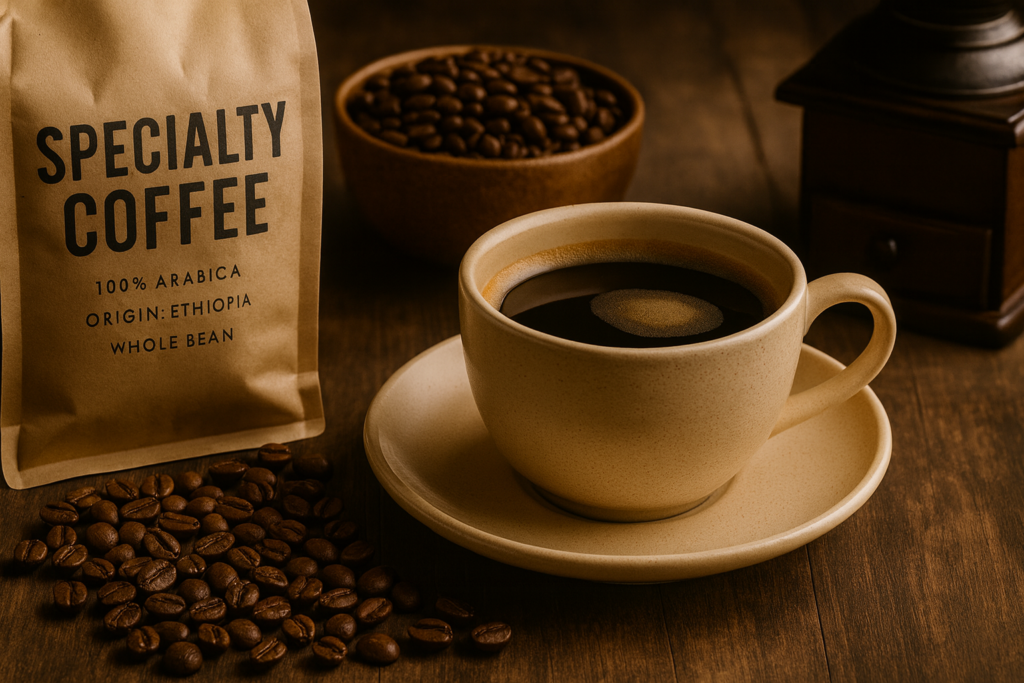
In today’s evolving coffee culture, specialty coffee has become a symbol of quality, authenticity, and craftsmanship, and what makes it special is the reason so many coffee lovers are rethinking how they choose and enjoy their daily cup. Rather than being just another beverage, specialty coffee represents a complete experience that values origin, flavor, and the people behind every bean.
Understanding the Meaning of Specialty Coffee
To truly appreciate specialty coffee, it is essential to understand what separates it from ordinary coffee, and what makes it special begins with quality standards applied from farm to cup. Unlike mass-produced coffee, specialty coffee is evaluated, produced, and handled with precision at every stage.
Quality Standards That Define Specialty Coffee
At the heart of specialty coffee lies a strict evaluation process that ensures excellence:
- Cultivation: Beans are grown in ideal climates, usually at higher altitudes, where slower maturation enhances flavor.
- Harvesting: Only ripe coffee cherries are hand-picked to maintain consistency.
- Processing: Methods such as washed, natural, or honey processing highlight specific flavor notes.
- Grading: Coffees must score 80 points or higher on the Specialty Coffee Association scale.
- Roasting: Roasters apply precise profiles to preserve the bean’s natural characteristics.
As a result, specialty coffee delivers complexity, balance, and clarity that standard coffee cannot match.
The Role of the Specialty Coffee Association
When discussing specialty coffee, the Specialty Coffee Association (SCA) plays a critical role, and what makes it special is reinforced by internationally recognized standards. Certified professionals known as Q Graders evaluate coffees based on aroma, flavor, acidity, body, balance, aftertaste, uniformity, and clean cup.
Through this structured system, specialty coffee earns its reputation as a premium product defined by measurable quality rather than marketing claims.
How Specialty Coffee Differs From Commercial Coffee
Comparing specialty coffee to commercial coffee highlights fundamental differences, and what makes it special becomes immediately clear. While commercial coffee prioritizes volume and consistency, specialty coffee emphasizes transparency and uniqueness.
Commercial coffee often blends beans from unknown origins, resulting in generic flavor profiles. In contrast, specialty coffee celebrates traceability, allowing consumers to know exactly where their coffee comes from, how it was processed, and who produced it.
Consequently, specialty coffee offers flavor notes ranging from fruit and floral tones to chocolate, nuts, and wine-like acidity, depending on origin and processing.
Flavor Complexity and Sensory Experience
One of the most compelling aspects of specialty coffee is its sensory depth, and what makes it special is how each cup tells a different story. Variables such as soil composition, altitude, climate, and processing methods directly influence taste.
Rather than a flat or bitter profile, specialty coffee delivers layered flavors, balanced acidity, and a clean finish. This complexity encourages coffee lovers to slow down, taste intentionally, and develop a deeper appreciation for each brew.
Ethical Sourcing and Sustainability
Beyond flavor, specialty coffee stands out for its ethical and environmental values, and what makes it special includes responsibility toward people and the planet. Many specialty coffee producers engage in direct trade, ensuring fair compensation and better working conditions for farmers.
Additionally, sustainable farming practices are often prioritized, including reduced chemical use, water conservation, and biodiversity protection. By choosing specialty coffee, consumers actively support a more sustainable and transparent supply chain.
The Craftsmanship Behind Specialty Coffee
Another defining element of specialty coffee is craftsmanship, and what makes it special is the skill involved at every stage. Farmers, roasters, and baristas treat coffee as an artisanal product rather than a commodity.
Roasters carefully adjust temperature curves to highlight sweetness or acidity, while baristas fine-tune grind size, water temperature, and extraction time. This dedication transforms specialty coffee into a crafted experience similar to fine wine or gourmet cuisine.
Key Origins Known for Specialty Coffee
Exploring origins further explains specialty coffee, and what makes it special is deeply connected to geography. Some regions are globally recognized for producing exceptional beans:
- Ethiopia: Floral, tea-like profiles with citrus notes
- Colombia: Balanced body with bright acidity and fruit tones
- Brazil: Smooth, chocolatey, and nut-forward
- Kenya: Bold, juicy flavors with berry and wine characteristics
- Panama: Famous for Geisha varieties with jasmine aromas
Each origin contributes unique characteristics that elevate specialty coffee beyond uniformity.
How to Enjoy Specialty Coffee at Home
Experiencing specialty coffee does not require a café visit, and what makes it special can be discovered right at home. With a few mindful practices, anyone can elevate their daily brew.
Choose reputable roasters that provide origin information, grind beans fresh before brewing, and control variables such as water temperature and ratio. Experimenting with brewing methods like pour-over, AeroPress, Chemex, or French press reveals different flavor dimensions within specialty coffee.
Final Thoughts on What Makes Specialty Coffee Special
Ultimately, specialty coffee is more than a trend, and what makes it special is the connection it creates between flavor, people, and place. Every cup reflects dedication, skill, and respect for quality at every step of the journey.
Whether you are new to this world or already passionate about coffee, embracing specialty coffee opens the door to richer flavors, ethical choices, and a more meaningful coffee experience.